Bat Removal in Wake Forest, NC
An 1830s college town, a mill village, and one of the fastest-growing suburbs in the country, next to 12,000 acres of lake.
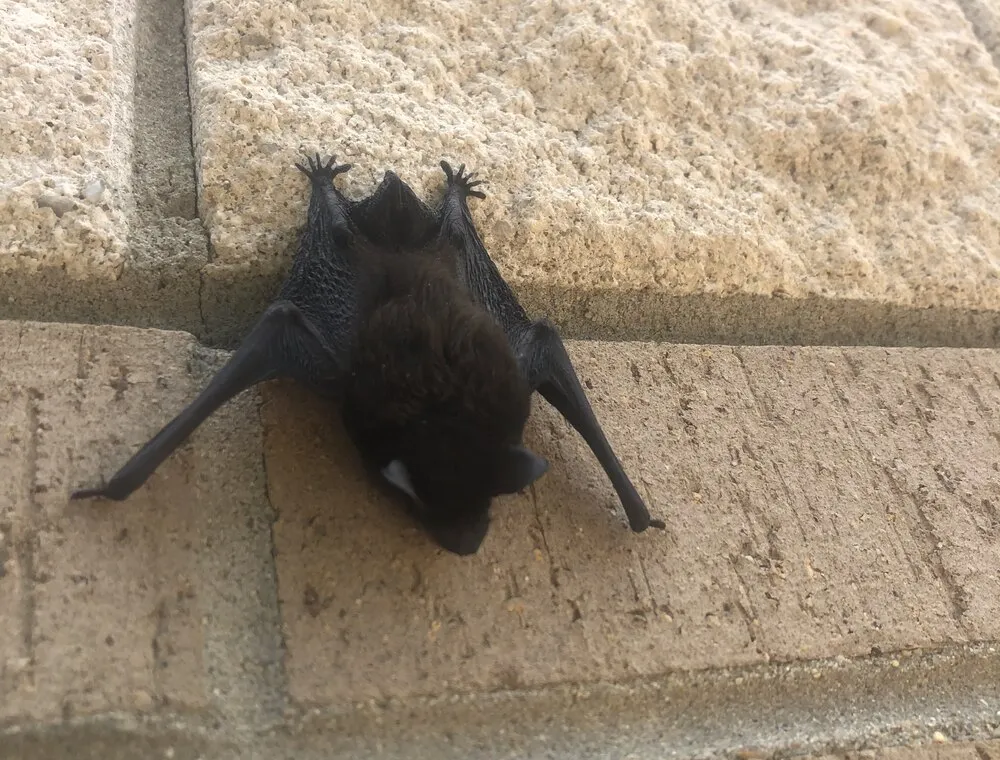
A town named for its woods
Wake Forest is named for the heavy forest that once covered northern Wake County. Its story starts in 1832, when Dr. Calvin Jones bought 615 acres here and later sold the farm to the North Carolina Baptist Convention, which opened a school that grew into Wake Forest College. The town incorporated in 1880 as the Town of Wake Forest College and dropped the “College” in 1909. Southeastern Baptist Theological Seminary now occupies the old campus, and the 1820 Calvin Jones House is the town’s historical museum.
Then came growth. In 2007, Forbes ranked Wake Forest among the fastest-growing suburbs in America after a 73 percent population jump between 2000 and 2006. By 2020, 47,601 people lived here.
Three kinds of houses, three kinds of openings
The historic core
The Wake Forest Historic District and Downtown district hold 19th- and early 20th-century homes near the old campus. Bats find these easily: wood cornices and fascia with gaps from a century of weather, attic louvers, gable ends, chimney flashing, and additions that never matched the original roof.
Glen Royall Mill Village
The mill village has simpler, smaller houses, but simple doesn’t mean sealed. Gable openings, roof-edge gaps, loose siding, and openings left from renovations are the usual spots.
New Wake Forest
Most of the town’s homes came with the growth of the last few decades, especially toward Falls Lake and along NC 98 and Capital Boulevard. Here it’s the construction-detail story: soffit returns, dormer corners, gable and ridge vents, and roof-to-wall seams. Homes built from the same plans tend to share the same weak spot.
Falls Lake and why bats are everywhere
Falls Lake State Recreation Area sits on the town’s west side, with a lake of about 12,000 acres and 26,000 acres of woodland. Add Joyner Park, Smith Creek, and the wooded lots all over town, and Wake Forest has plenty of bats in the air every summer evening.
That’s fine. They’re eating insects. What’s not fine is a colony using your attic, and the sign of that is bats emerging from a single spot on your house at dusk, droppings collecting under one section of eave, or chirping above a ceiling in the evening.
Churches and older buildings
Wake Forest’s Baptist roots mean a lot of churches, some of them old. Towers, belfries, and cornices on these buildings are classic roost sites, and the problem often shows up as droppings in a balcony or stairwell before anyone sees a bat. Our page on churches and historic buildings covers how we handle them.
How the job goes
We inspect the whole building, seal the gaps bats aren’t using, and fit one-way exits on the openings they are. Once the colony has left, those openings are sealed permanently, and the work carries a warranty. North Carolina prohibits bat evictions from May 1 to July 31 and requires paid evictions to be done by a licensed Wildlife Control Agent, so we build every schedule around that.
Read about bat removal and exclusion, attic cleanup and guano removal, and what to do in an emergency bat removal situation. Townhome and condo communities can see bat removal for condo and HOA properties, and businesses commercial bat removal.
Wake Forest is the north end of the area we serve from Raleigh. See our main page for bat removal in North Carolina’s Triangle.
Bat services in Wake Forest
Questions we hear a lot
We live near Falls Lake and see bats constantly. Normal?
Very. A 12,000-acre lake surrounded by woods is prime feeding ground. The thing to watch for is bats leaving your house at dusk.
Do you cover the Franklin County side of Wake Forest?
Yes. The town reaches into Franklin County, and we serve both sides.
Our house is in the historic district. Will exclusion change how it looks?
Exclusion devices are temporary, and repairs are matched to existing materials. If a visible replacement is needed, we'll tell you first so you can check any historic district requirements.
What customers say
I cannot thank Joe and his team (Chris, Forrest, Mike & Grayson) enough for the work they put in for a successful bat exclusion and bat bug remediation. I reached out in June for noises I was hearing in the ceiling of my home office. They inspected very quickly & identified bats... They were able to close any other entry points, Chris fixed our exhaust vents and they successfully excluded the bats. They did a great clean up job & treated for the bugs twice.
Marian Morritt on Google
Mike from Integrated Wildlife Management came to my home recently to do an inspection of a bat colony that was roosting in one of our gable vents. He did a thorough inspection, pointed out some other entry points in our attic and gave a fair quote. He came back to do the removal and exclusion work this week and everything was done as promised. When I had a question about the warranty, Joe gave me a straightforward answer and addressed my concerns.
Peter Dooling on Google
Had an unexpected bat in our fireplace on a Saturday night at 5:30pm and a quick search led me Joe and the Integrated team. They had the bat out of the fireplace by 8:30pm and came back for a full inspection the next day! I was very impressed with their quick reply during weekend hours and their professionalism to get the job done right!
Nick H. on Google
Ready to get it handled?
- You'll talk with Joe Zets or his crew, not a call center
- Exclusion work backed by a warranty
- Homes, churches, campuses, and commercial buildings
- Emergency help when a bat is inside